
Mononucleosis Brochure
Mononucleosis Brochure - Infectious mononucleosis, also called “mono,” is a contagious disease. It occurs primarily in adolescents and young. Infectious mononucleosis, also called “mono,” or “kissing disease” is a viral infection that spreads from one person to next (contagious). Ebv is one of the most common viruses that occur worldwide. Older children and young adults are more likely to have worse symptoms. • the virus infects a certain type of white blood cell called “b lymphocytes”. • the virus infects a certain type of white blood cell called “b lymphocytes”. It is not usually a serious illness, but it can cause symptoms or complications that are more severe and. It usually affects children and young adults (from 12 to 40 years of age). Most people are infected with ebv sometime in their lives, but very. Older children and young adults are more likely to have worse symptoms. Mononucleosis (mono) what is it? Most people are infected with ebv sometime in their lives, but very. Signs of mono include fever, sore throat, headaches, white patches on the back of your throat, swollen. Most people are exposed to ebv during childhood,. The virus that causes mono is transmitted through saliva, so you can get it through kissing, but you can also be exposed. In most cases, the majority who get the infectious mono are adolescents and young adults. • symptoms start 30 to 50. Mononucleosis, infectious description an infectious viral disease that affects the lungs, liver, and lymphatic system. Infectious mononucleosis, also known as mono or the kissing disease, is an infection that typically causes fever, sore throat, fatigue, and/or enlarged lymph nodes in the. Mononucleosis, infectious description an infectious viral disease that affects the lungs, liver, and lymphatic system. Infectious mononucleosis, also known as mono or the kissing disease, is an infection that typically causes fever, sore throat, fatigue, and/or enlarged lymph nodes in the. Over the course of a. A few cases are caused by a virus called. Most people are infected with. Most people are exposed to ebv during childhood,. • the virus infects a certain type of white blood cell called “b lymphocytes”. • symptoms start 30 to 50. It usually affects children and young adults (from 12 to 40 years of age). • it is one of the most common human viruses. Older children and young adults are more likely to have worse symptoms. Signs of mono include fever, sore throat, headaches, white patches on the back of your throat, swollen. Most people are infected with ebv sometime in their lives, but very. Most people are exposed to ebv during childhood,. The virus that causes mono is transmitted through saliva, so you. Mononucleosis and only have mild symptoms similar to the common cold. Infectious mononucleosis, also known as mono or the kissing disease, is an infection that typically causes fever, sore throat, fatigue, and/or enlarged lymph nodes in the. The virus that causes mono is transmitted through saliva, so you can get it through kissing, but you can also be exposed. Over. • the virus infects a certain type of white blood cell called “b lymphocytes”. It usually affects children and young adults (from 12 to 40 years of age). Mononucleosis (mono) is a viral infection that is common in teens and young adults. A few cases are caused by a virus called. Signs of mono include fever, sore throat, headaches, white. • it is one of the most common human viruses. Most people are exposed to ebv during childhood,. Mononucleosis (mono) what is it? Infectious mononucleosis, also called “mono,” is a contagious disease. • the virus infects a certain type of white blood cell called “b lymphocytes”. Infectious mononucleosis, also known as mono, is a viral disease that affects certain blood cells. Infectious mononucleosis, also called “mono,” is a contagious disease. • the virus infects a certain type of white blood cell called “b lymphocytes”. It usually affects children and young adults (from 12 to 40 years of age). • symptoms start 30 to 50. • it is one of the most common human viruses. Mononucleosis and only have mild symptoms similar to the common cold. Most people with mono get better in 2 to 4 weeks, but some may feel fatigued for several more weeks. Signs of mono include fever, sore throat, headaches, white patches on the back of your throat, swollen. Infectious mononucleosis,. Most people with mono get better in 2 to 4 weeks, but some may feel fatigued for several more weeks. Most people are exposed to ebv during childhood,. • the virus infects a certain type of white blood cell called “b lymphocytes”. It occurs primarily in adolescents and young. It usually affects children and young adults (from 12 to 40. Mononucleosis (mono) is a viral infection that is common in teens and young adults. Over the course of a. Most people with mono get better in 2 to 4 weeks, but some may feel fatigued for several more weeks. Infectious mononucleosis, also called “mono,” is a contagious disease. • symptoms start 30 to 50. Infectious mononucleosis (mono) is often called the kissing disease. Most people are infected with ebv sometime in their lives, but very. Most people with mono get better in 2 to 4 weeks, but some may feel fatigued for several more weeks. In most cases, the majority who get the infectious mono are adolescents and young adults. • symptoms start 30 to 50. Infectious mononucleosis, also known as mono or the kissing disease, is an infection that typically causes fever, sore throat, fatigue, and/or enlarged lymph nodes in the. • the virus infects a certain type of white blood cell called “b lymphocytes”. Mononucleosis, infectious description an infectious viral disease that affects the lungs, liver, and lymphatic system. It is not usually a serious illness, but it can cause symptoms or complications that are more severe and. Mononucleosis (mono) what is it? • symptoms start 30 to 50. Mononucleosis (mono) what is it? • it is one of the most common human viruses. Infectious mononucleosis, also called “mono,” is a contagious disease. Infectious mononucleosis, also called “mono,” or “kissing disease” is a viral infection that spreads from one person to next (contagious). It occurs primarily in adolescents and young.:max_bytes(150000):strip_icc()/Prevent-mono-5186197_final-310b4ee603a443f3b9652b8d6ea486d3.jpg)
Mononucleosis
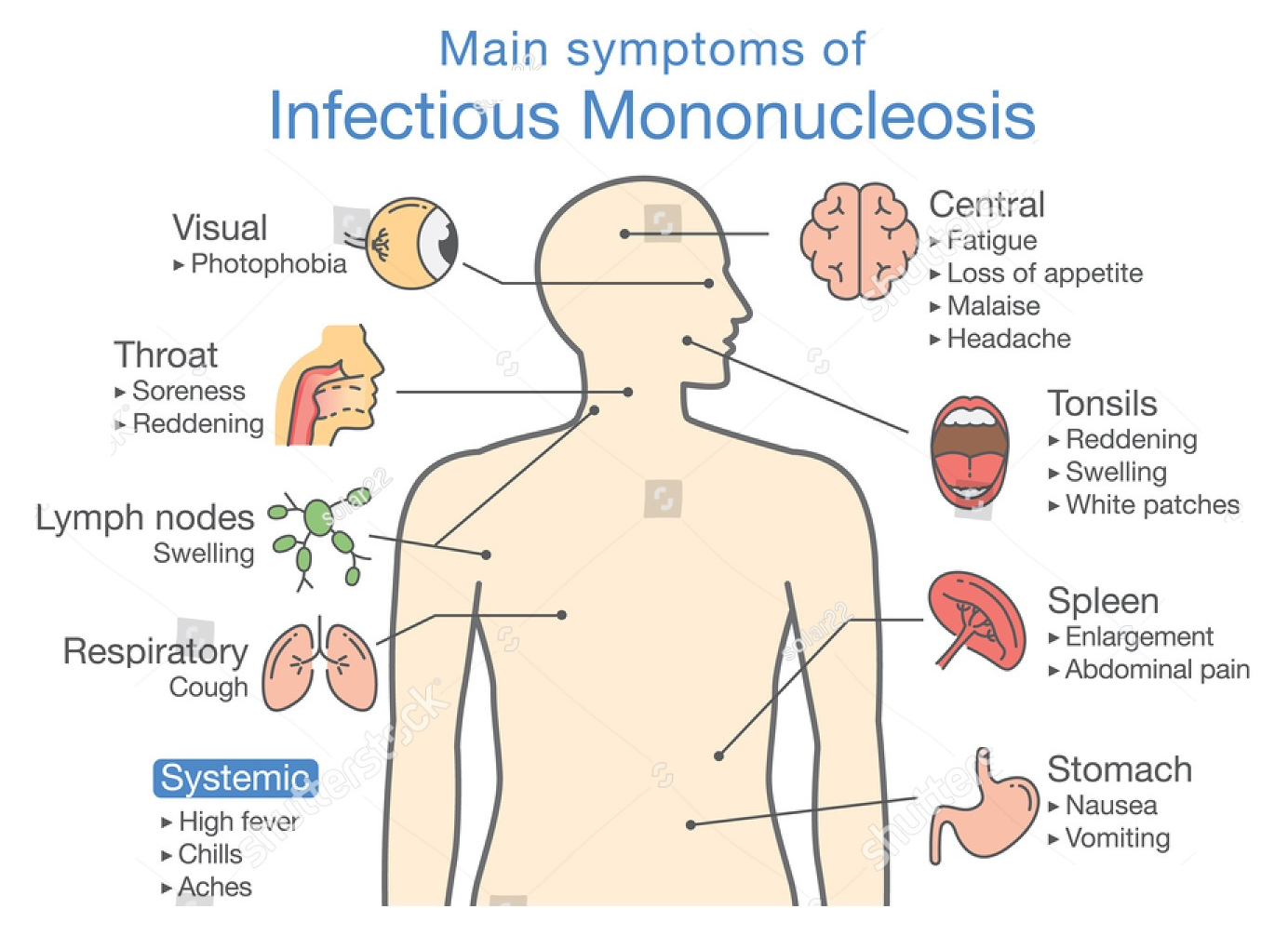
Infectious mononucleosis MedicoInfo
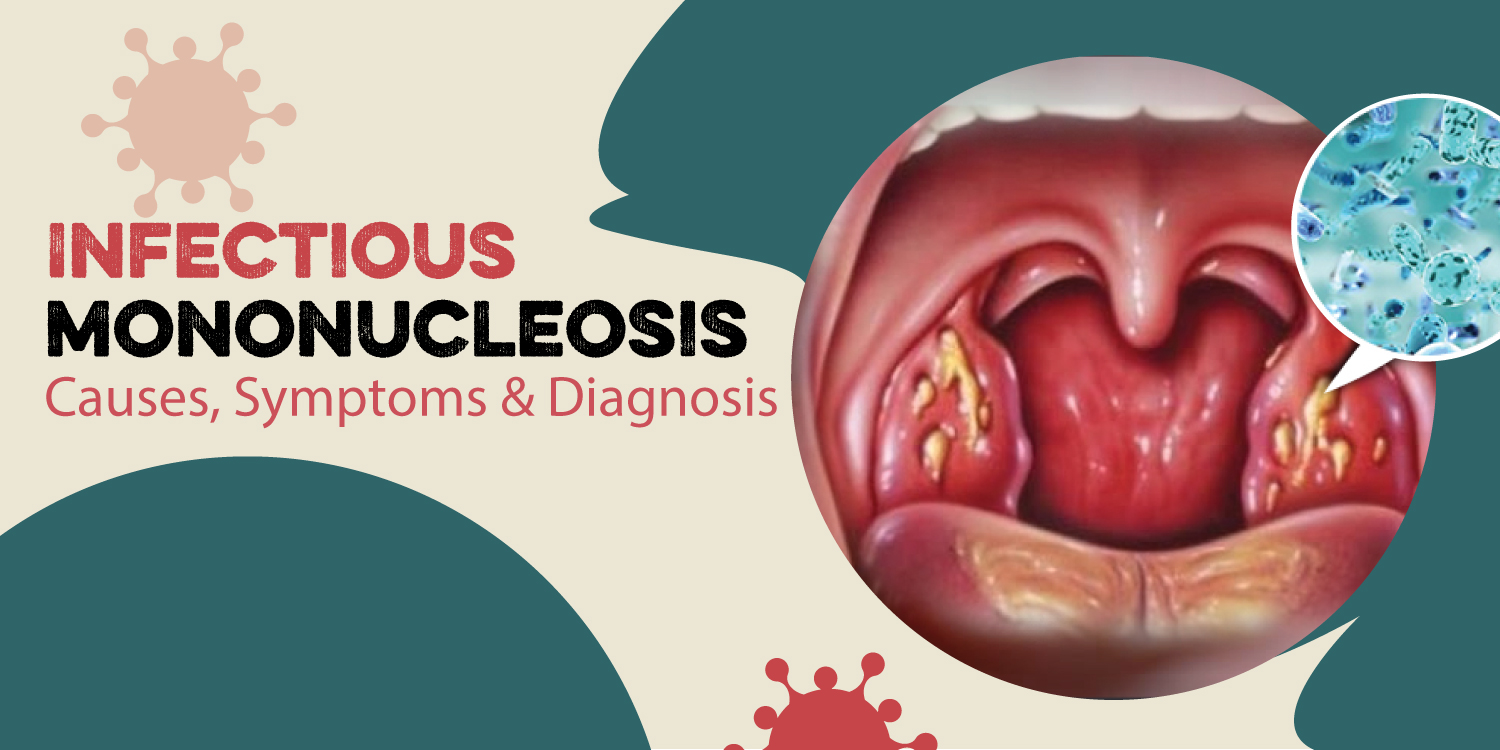
Infectious Mononucleosis Causes Symptoms & Diagnosis

Mononucleosis (Mononucleosis Infecciosa)

Infectious Mononucleosis (Mono) Signs & Symptoms

Mono (Mononucleosis) Diagnosis and Treatment
:max_bytes(150000):strip_icc()/how-is-mono-treated-1191950_final-9f19b328cfda45759448e99b9647684d.jpg)
Comment la mononucléose est traitée Fmedic
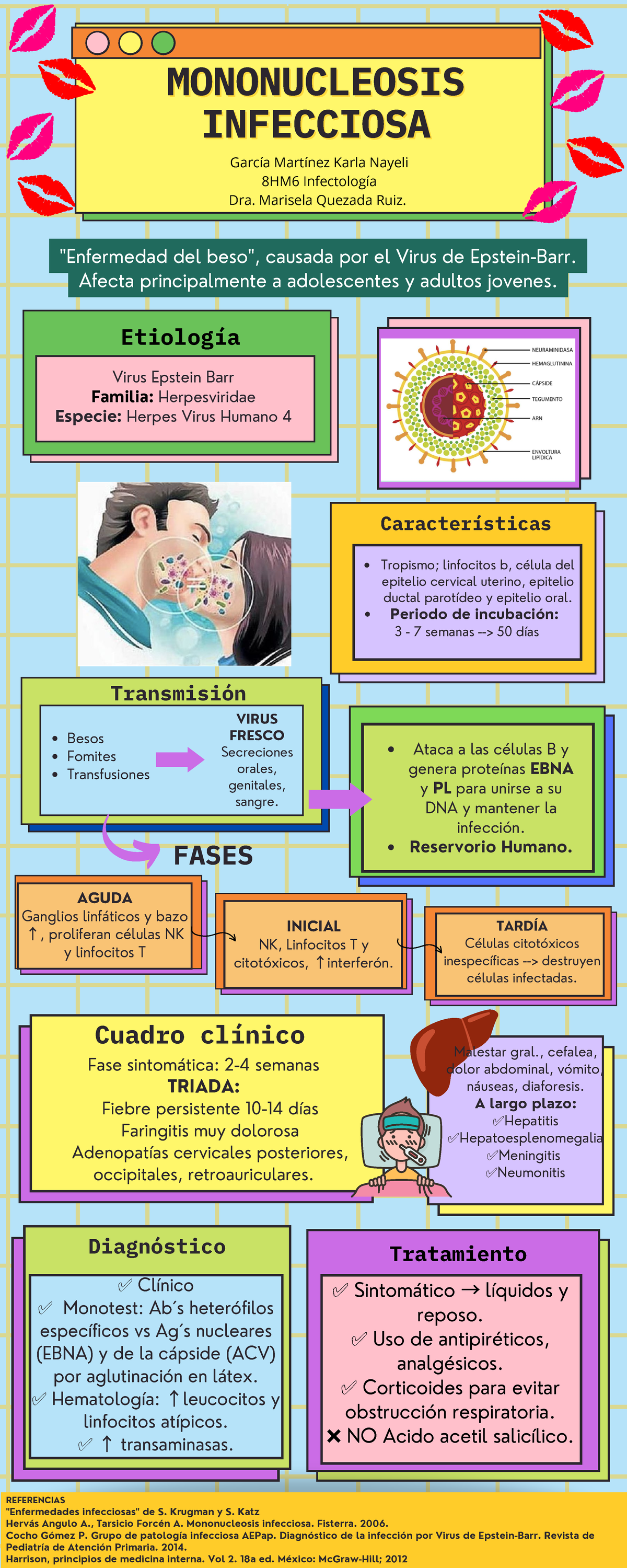
Mononucleosis Infecciosa Ataca a las células B y genera proteínas

รายการ 105+ ภาพพื้นหลัง โปรแกรมช่อง Mono สวยมาก

Symptoms Mononucleosis Vector Illustration Medical Journal Stock Vector
Older Children And Young Adults Are More Likely To Have Worse Symptoms.
Mononucleosis And Only Have Mild Symptoms Similar To The Common Cold.
It Usually Affects Children And Young Adults (From 12 To 40 Years Of Age).
The Virus That Causes Mono Is Transmitted Through Saliva, So You Can Get It Through Kissing, But You Can Also Be Exposed.
Related Post: