
A Guide To Bed Safety Brochure
A Guide To Bed Safety Brochure - • the hbsw brochure, a guide to bed safety; Most patients can be in bed safely without bed rails. Talk with your care team to learn about the risks of bed side rails. Use beds that can be raised and lowered close to the floor to accommodate both patient and health care worker. Bed safety it is common to have brochure questions or concerns about giving up bed side rails. Most patients can be in bed safely without bed rails. Bed rail safety for federal health care providers. Homes patients’ needs home out. The hbsw brochure defines bed system entrapment and recommends reducing risk through ongoing patient evaluation and monitoring. • use beds that can be raised and lowered close to the floor to accommodate both patient and health care worker. Breakdown of the hbsw’s bed system entrapment zones, guidelines to help you determine if bed rails are needed, and different products that can be used to help you improve resident safety. Most patients can be in bed safely without bed patient and health care worker needs to the floor to accommodate both. Use beds that can be raised and lowered close to the floor to accommodate both patient and health care worker. Patients who have problems with memory, sleeping, incontinence, pain, uncontrolled body movement, or who get out of bed and walk unsafely without assistance, must be carefully. Patients who have problems with memory, sleeping, incontinence, pain, uncontrolled body movement, or who get out of bed and walk unsafely without assistance, must be carefully. Follow the fda guidelines for bed rail safety, assess whether the device is appropriate for the individual, and educate the individual on the risks versus benefits. For each bed, review the areas below to. The hbsw brochure defines bed system entrapment and recommends reducing risk through ongoing patient evaluation and monitoring. A guide to bed safety: A brochure entitled ”a guide to. Talk with your care team to learn about the risks of bed side rails. Meeting patients' needs for safety. Most patients can be in bed safely without bed rails. Most patients can be in bed safely without bed rails. Most patients can be in bed safely without bed rails. Patients who have problems with memory, sleeping, incontinence, pain, uncontrolled body movement, or who get out of bed and walk unsafely without assistance, must be carefully. Most patients can be in bed safely without bed rails. We will work with you to find. Most patients can be in bed safely without bed rails. For a full discussion on this topic,. Follow the fda guidelines for bed rail safety, assess whether the device is appropriate for the individual, and educate the individual on the risks versus benefits. Side rails can be beneficial for preventing. • use beds that can be raised and lowered close to the floor to accommodate both patient and health care worker. Meeting patients' needs for safety. Most. Most patients can be in bed safely without bed rails. Patients who have problems with memory, sleeping, incontinence, pain, uncontrolled body movement, or who get out of bed and walk unsafely without assistance, must be carefully. A brochure entitled ”a guide to. For a full discussion on this topic, see the hospital bed safety workgroup’s “a guide for modifying bed. Use beds that can be raised and lowered close to the floor to accommodate both patient and health care worker. Most patients can be in bed safely without bed rails. Use beds that can be raised and lowered close to the floor to accommodate both patient and health care worker. For a full discussion on this topic, see the hospital. Homes patients’ needs home out. Bed rails in hospitals, nursing homes and home. Use beds that can be raised and lowered close to the floor to. Most patients can be in bed safely without bed patient and health care worker needs to the floor to accommodate both. For each bed, review the areas below to. The hbsw brochure defines bed system entrapment and recommends reducing risk through ongoing patient evaluation and monitoring. Use beds that can be raised and lowered close to the floor to accommodate both patient and health care worker. • the hbsw brochure, a guide to bed safety; Bed safety it is common to have brochure questions or concerns about giving up. A guide to bed safety: We will work with you to find. Keep the bed in the lowest position with. Most patients can be in bed safely without bed rails. Most patients can be in bed safely without bed patient and health care worker needs to the floor to accommodate both. * in this brochure, the term patient refers to a resident of a nursing home, any individual receiving services in a home care setting, or patients in hospitals. Bed rails in hospitals, nursing homes and home. Talk with your care team to learn about the risks of bed side rails. A guide to bed safety: Most patients can be in. In 2017, the us food & drug administration (fda) provided a national guidance brochure on bed rail use in hospitals, nursing homes, and home health care — yes, across the. Most patients can be in bed safely without bed rails. Bed safety it is common to have brochure questions or concerns about giving up bed side rails. This brochure discusses. * in this brochure, the term patient refers to a resident of a nursing home, any individual receiving services in a home care setting, or patients in hospitals. Patients who have problems with memory, sleeping, incontinence, pain, uncontrolled body movement, or who get out of bed and walk unsafely without assistance, must be carefully. • the hbsw brochure, a guide to bed safety; Most patients can be in bed safely without bed rails. Use beds that can be raised and lowered close to the floor to accommodate both patient and health care worker. The hbsw brochure defines bed system entrapment and recommends reducing risk through ongoing patient evaluation and monitoring. A guide to bed safety: Most patients can be in bed safely without bed rails. Side rails can be beneficial for preventing. Bed safety it is common to have brochure questions or concerns about giving up bed side rails. Most patients can be in bed safely without bed patient and health care worker needs to the floor to accommodate both. Keep the bed in the lowest position with. Talk with your care team to learn about the risks of bed side rails. Bed rails in hospitals, nursing homes and home health care—the facts. For each bed, review the areas below to. Homes patients’ needs home out.
Smart step to bed sharing Safe sleep, Healthy babies, Safe co sleeping

Red Nose Safe Sleeping Guidelines for Infant Sleep Safety
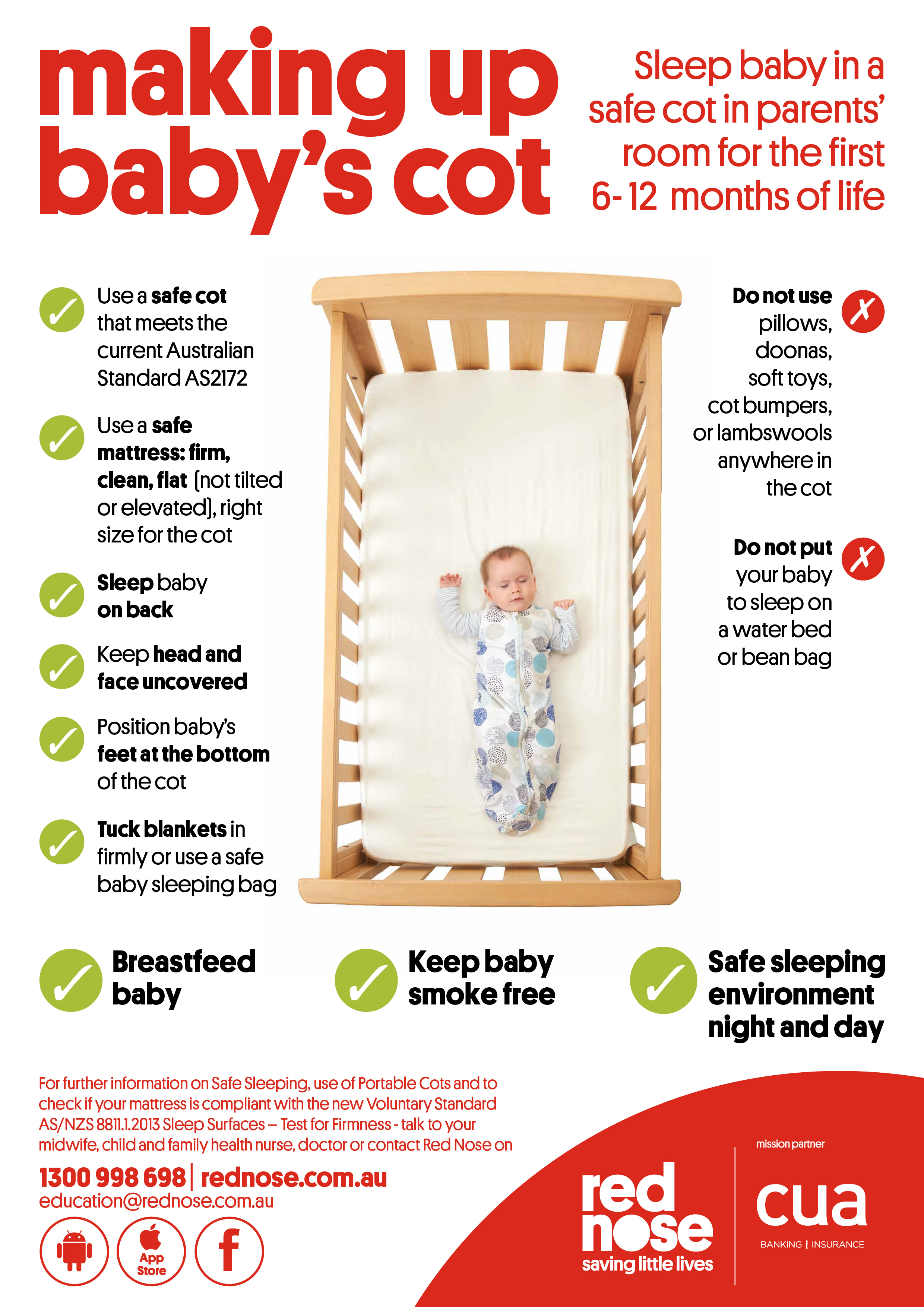
Resources and Factsheets Red Nose Australia
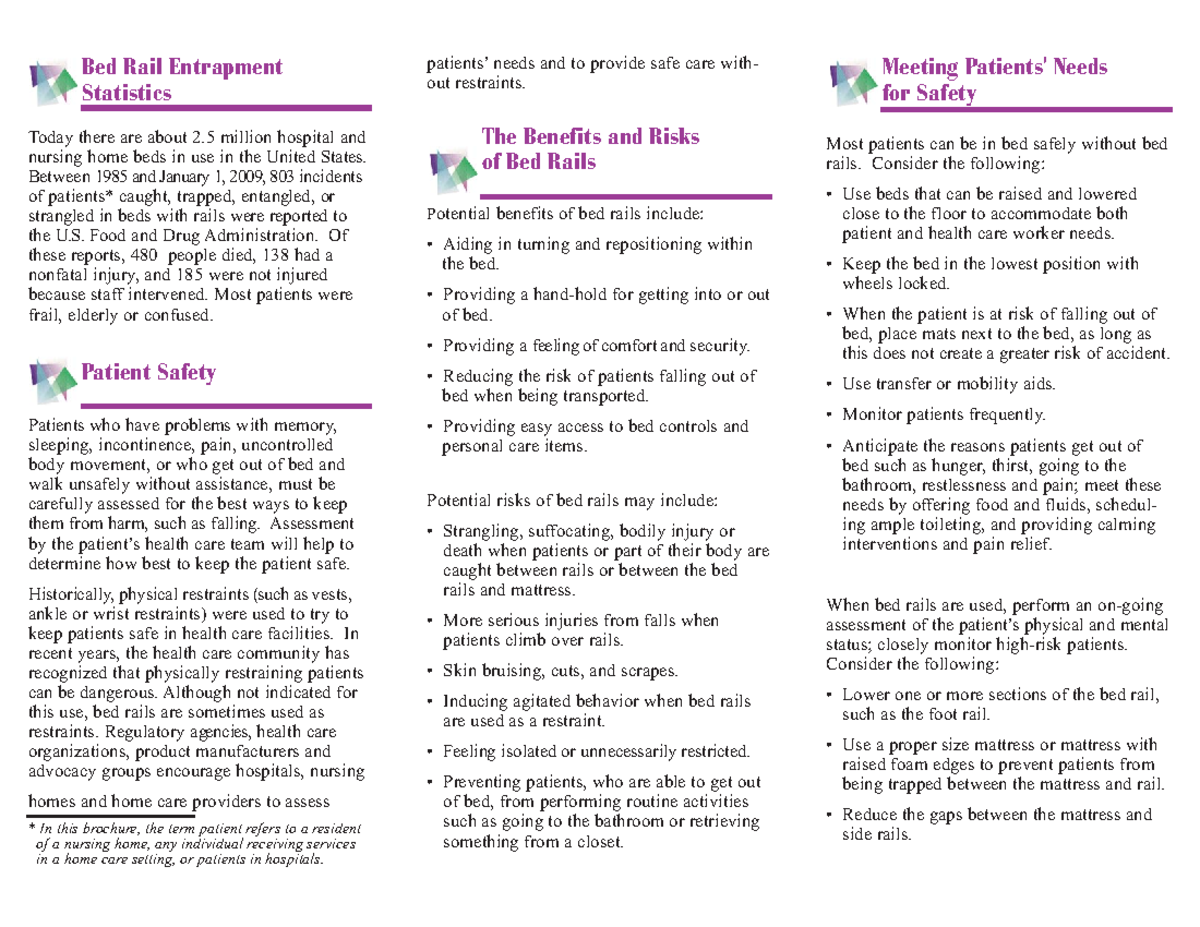
A Guide to Bed Safety Bed Rails in Hospitals Nursing Homes and Home
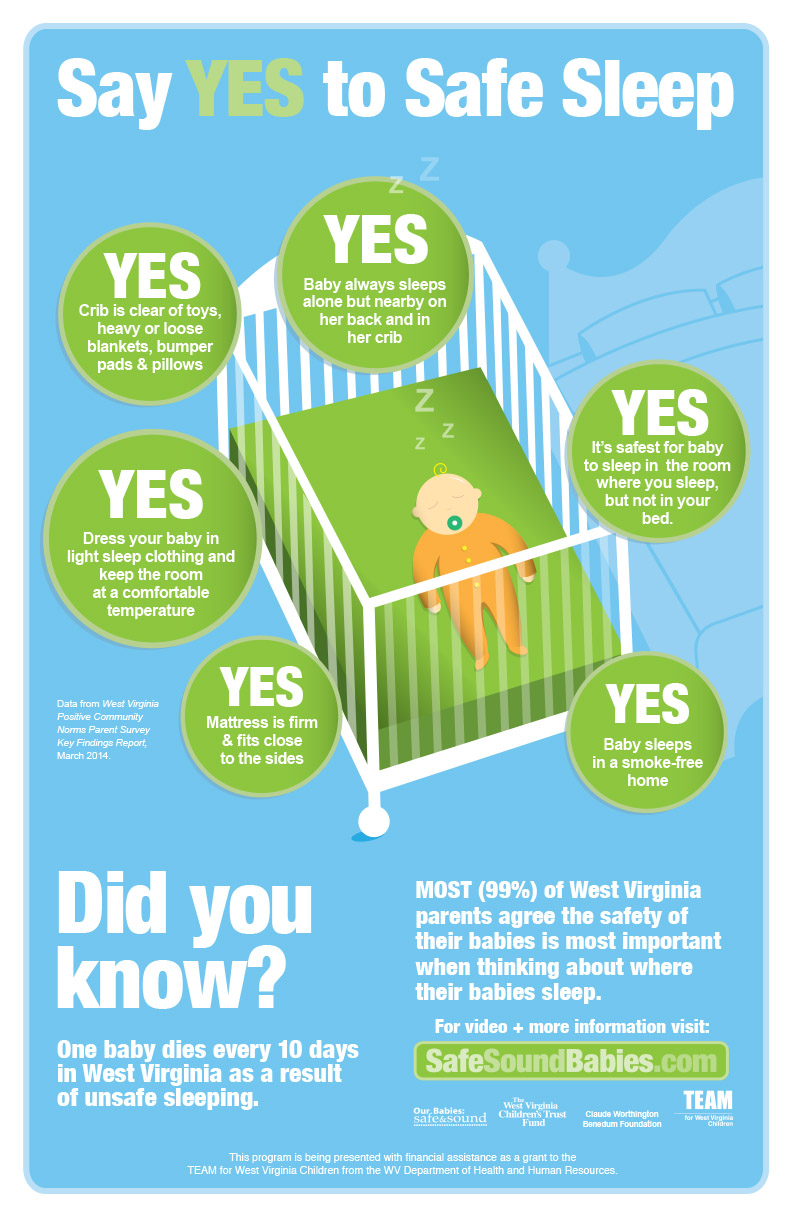
Safe Sleep Day 2024 Poster Gerty Juliann
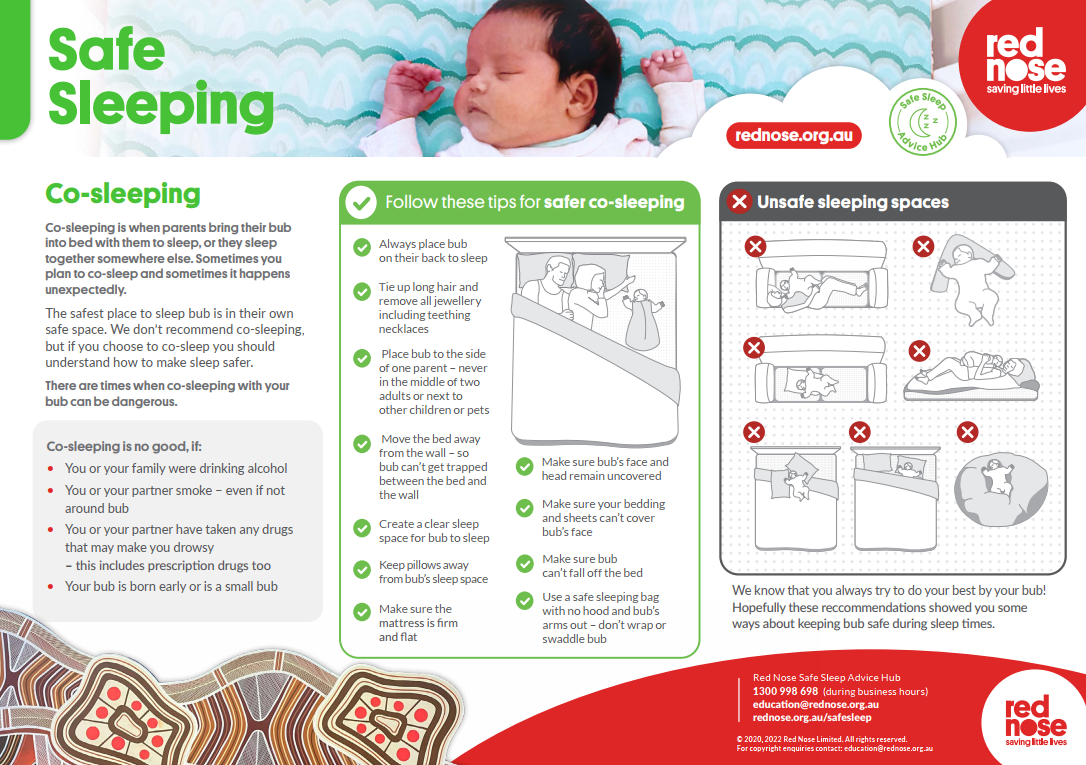
Resources and Factsheets Red Nose Australia
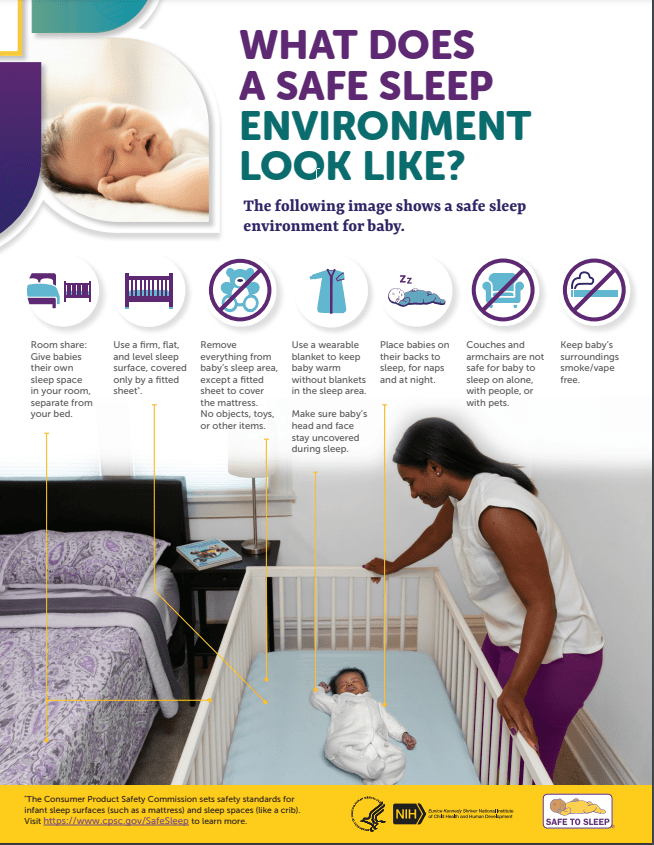
Safe Sleep Winnebago County Health Department
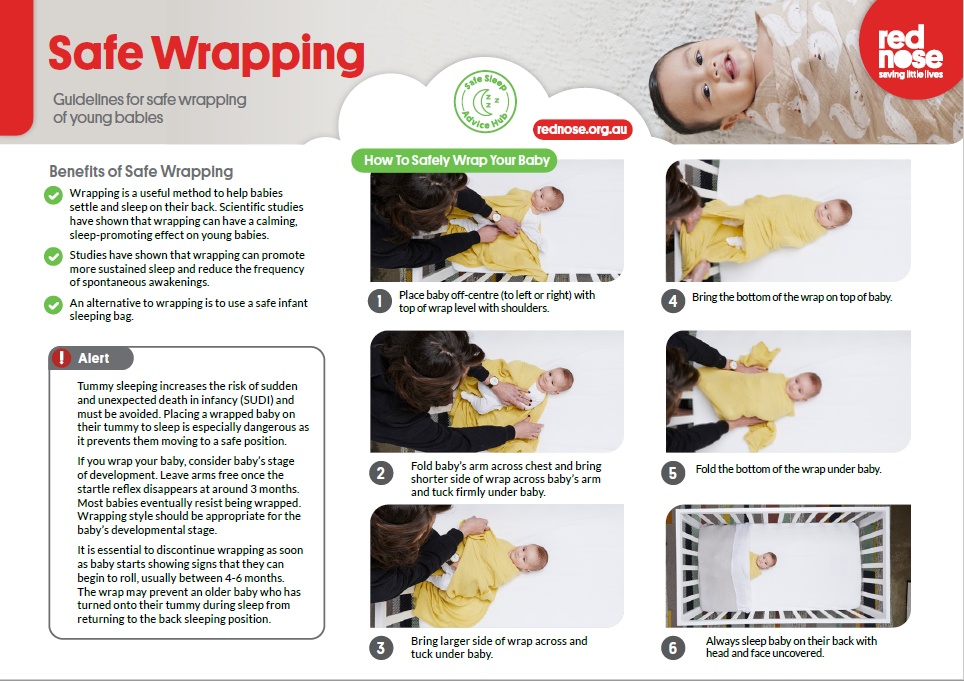
Parents and Health Professionals Red Nose Australia
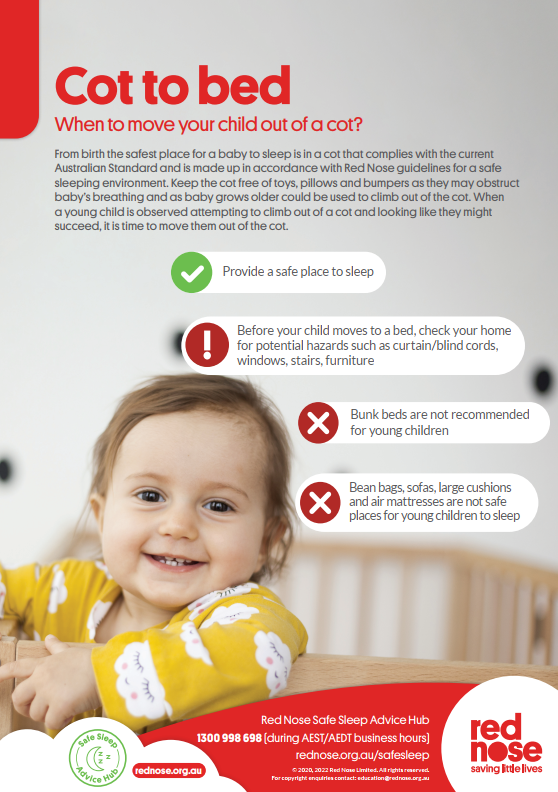
Parents, Carers and Health Professionals Red Nose Australia

The Do's and Don'ts of Safe sleep! Safe Sleep Environments Pinter…
Bed Rails Are Often Used In A Variety Of Health Care Settings As An Assistive Device For Patients/Residents.
For A Full Discussion On This Topic, See The Hospital Bed Safety Workgroup’s “A Guide For Modifying Bed Systems And Using Accessories To Reduce Risk Of Entrapment” Found At.
Use Beds That Can Be Raised And Lowered Close To The Floor To Accommodate Both Patient And Health Care Worker.
• Use Beds That Can Be Raised And Lowered Close To The Floor To Accommodate Both Patient And Health Care Worker.
Related Post: